
As an irrigation equipment technician with over ten years of field experience maintaining residential and small commercial water systems, I’ve spent many autumns helping homeowners prepare their outdoor water setups for changing weather. In my work servicing seasonal ปั้มฟอล pond circulation systems, I’ve learned that a good fall pump is not just about moving water — it’s about keeping landscapes healthy when leaves start piling up and rain patterns shift.
In my experience, the biggest mistake people make is assuming that summer equipment will work just as well once autumn arrives. I once visited a customer who was using a small fountain pump through early fall because it had worked perfectly during summer. After the first heavy rainstorm of the season, their garden basin overflowed since the pump lacked the capacity to handle runoff mixed with debris. We ended up replacing it with a higher flow seasonal pump that could handle leaf fragments and muddy water without clogging. That job alone reminded me how seasonal changes demand equipment adjustments rather than simple maintenance.
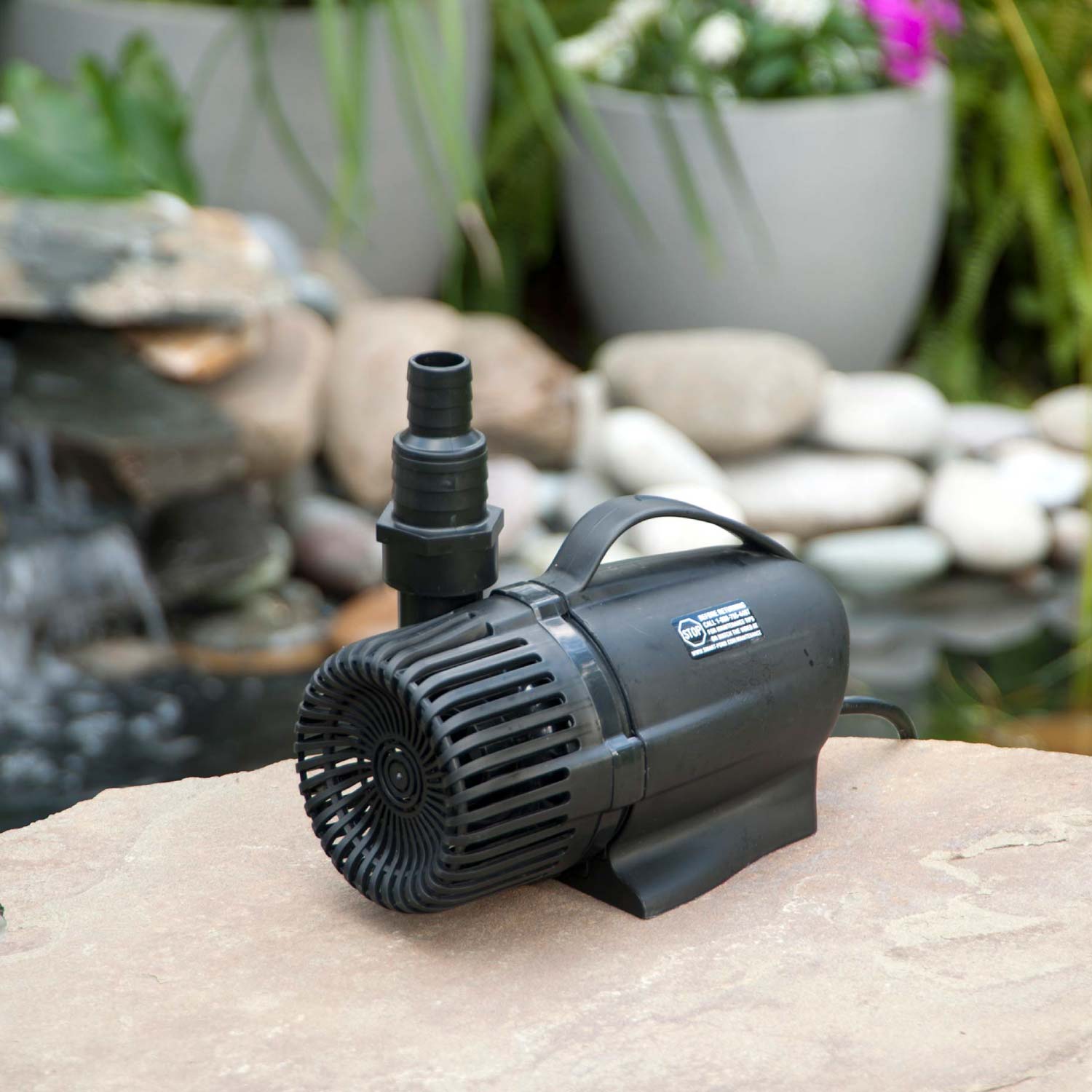
A fall pump is primarily designed to manage increased water movement caused by rain accumulation and organic debris. When leaves fall into drainage channels or decorative ponds, they break down and create thick organic sludge. Standard pumps often struggle with this mixture because their intake screens are too fine or their motors are optimized for clear water circulation. I usually recommend pumps with wider intake guards and stronger torque performance for autumn use.
I remember working on a suburban backyard system where the homeowner complained about water stagnation near the patio after every October shower. When I inspected the setup, I found the pump was placed too close to the pond floor, sucking in silt every time it started running. Relocating the pump about a foot higher inside the housing cage solved most of the clogging problems. Positioning matters almost as much as pump quality itself.
Motor durability is another factor I discuss with clients when installing fall pumps. Autumn operation often means longer continuous running periods compared to summer decorative pumping. Some households run their drainage pumps overnight during storms. I usually advise choosing units designed for extended duty cycles rather than small hobby-grade models that may overheat after several hours of operation. I have seen pumps fail mid-season simply because the motor housing couldn’t dissipate heat efficiently when the weather turned damp and cool.
Maintenance during fall is surprisingly simple but frequently ignored. Every few weeks, I suggest removing surface debris around the intake guard. Last year, a customer called because their pump suddenly lost pressure. When I opened the system, I found a compact layer of decomposed maple leaves blocking the suction ports. Cleaning it took about fifteen minutes and restored full performance, saving the client from replacing a perfectly good pump.
Power protection also becomes more important as storms grow stronger toward winter. I encourage homeowners to connect their fall pump systems through surge-protected outlets. Several thousand dollars’ worth of outdoor irrigation equipment can be damaged by a single lightning surge traveling through poorly protected wiring. One commercial property I serviced avoided major losses because they installed simple surge barriers after I suggested it during routine inspection.
If I were advising someone setting up a fall pump for the first time, I would prioritize three features: clog resistance, stable motor operation under prolonged use, and easy access for cleaning. The pump should be strong enough to move stormwater but not so aggressive that it disturbs pond ecosystems or erodes soil near drainage outlets.
Autumn puts a different kind of pressure on outdoor water systems than summer does. The air is cooler, leaves are constantly falling, and rainwater carries more organic matter into drainage paths. A well-chosen fall pump keeps water moving smoothly while protecting the structure of the yard or garden. From years of servicing irrigation and drainage equipment, I have learned that investing in the right seasonal pump before the first heavy fall storm is far easier than repairing the damage afterward.